FREE SINGLE SUPPLEMENT on 2026 departures for a limited time – learn more here

A Beginners Guide to Climbing Mount Kilimanjaro

Unlike most mountains of comparable altitude, Kilimanjaro demands no ropes, no crampons, and no technical mountaineering skills, making it the perfect mountain for beginners. We’re far from first timers when it comes to Kilimanjaro. KE have been guiding trekkers to Uhuru Peak for over 20 years, achieving a remarkable 95% summit success rate along the way. This guide distils that experience into the ultimate beginners guide to climbing Kilimanjaro.

Is Kilimanjaro Right for Beginners?

The reassuring answer is yes — with a few important caveats. Kilimanjaro is a trek, not a technical climb. What the mountain demands above all else is fitness, prior multi-day trekking experience, and the patience to walk slowly as your body adapts to altitude. Most active people who hike regularly at weekends, or who have completed multi-day routes like the West Highland Way, are excellent candidates.

Understanding Altitude: The Critical Factor

Altitude sickness is the primary reason trekkers don’t reach the summit — and it has nothing to do with fitness, age, or willpower. It is simply your body’s reaction to reduced oxygen at elevation. Symptoms can include headache, nausea, dizziness, and fatigue, and they can affect anyone.

The golden rule on Kilimanjaro is pole pole — Swahili for “slowly, slowly.” The slower you ascend, the more time your body has to acclimatise. This is why the number of days on the mountain matters enormously, and why we specifically add extra days to aide acclimatisation and increase the chances of making the summit.

Kilimanjaro Training: Your 3-Month Plan

You don’t need to be an elite athlete, but you do need to be genuinely fit. Aim to begin focused training at least three months before departure. The most effective preparation mimics what the mountain will demand: sustained uphill walking with a loaded pack.

Cardiovascular Base

Build a strong aerobic base through hiking, running, cycling, or swimming. Aim for at least four active sessions per week. On weekends, commit to long hikes of 4–6 hours in hilly terrain — these are the most relevant training sessions you can do.

Strength & Stability

Leg strength and core stability protect your knees on steep descents and keep you moving efficiently for long days. Squats, lunges, step-ups, and planks are all excellent additions. Don’t neglect your upper body — trekking poles will become your best friends and you’ll be grateful for shoulder endurance.

Break In Your Boots

Your boots are the most important thing you’ll wear on the mountain. Break them in thoroughly on multiple long walks before the trip — blisters from new footwear are one of the most preventable disasters on any trek. Similarly, test your waterproofs and warm layers in cold, wet conditions before you go.

When to climb Kilimanjaro

Kilimanjaro can be climbed year-round, but the best months are December to mid-March. These dry months offer the warmest temperatures and the best summit visibility. January and February are particularly popular — days are warm, nights are cold but manageable, and the views are often crystal clear. If you prefer fewer crowds, consider October or early November, when the short rains are easing and the post-season rush hasn’t yet begun.

5 Tips for Kilimanjaro Summit Success

Not only have we been climbing Kilimanjaro for over 30 years, but many of our team have also summitted Uhuru. We asked them for a few top tips to increase your chances of summitt success and these were the top 5:

Walk Slowly — Always

Pole pole is the mantra. Your guides will encourage it constantly. Resist the urge to push harder than the group — you will pay for it at altitude.

Drink (Water) Relentlessly

Aim for 3–4 litres of water per day. Dehydration accelerates altitude sickness and fatigue. Add electrolyte tablets for optimal absorption.

Eat Whenever You Can

Appetite suppresses at altitude. Force yourself to eat at every meal. Your body needs the fuel, especially in the 24 hours before summit night.

Rest,
Properly

Sleep quality drops at altitude. Rest whenever camp allows. The ‘climb high, sleep low’ acclimatisation principle is built into all KE itineraries.

Train, Train, Train

To make the most of this incredible experience you want to be as fit as possible. Getting out walking at weekends and evenings for back to back days will mean you’ll enjoy it that little bit more.

Best Kilimanjaro Route for Beginners

We offer four carefully curated routes, each designed around optimal acclimatisation. The fundamental truth is simple: more days on the mountain means better acclimatisation and a higher chance of reaching the summit of Mount Kilimanjaro.

Image

Rongai Route

BEST FOR BEGINNERS WITH LIMITED TIME

A 7-day trek approaching from the quieter northern side. The ascent is gradual and steady, making it the most accessible of our Kilimanjaro routes. Descent follows the Marangu route.

Lemosho Route

BEST FOR SCENIC IMMERSION

Eight days of trekking on what is widely considered Kilimanjaro’s most beautiful route. Beginning in lush rainforest, it traverses the stunning Shira Plateau before a summit attempt from Stella Point. Exceptional acclimatisation profile.

Northern Circuit

BEST FOR MAXIMUM SUMMIT SUCCESS

Nine days on the mountain — KE’s most comprehensive itinerary. This was the route taken by the Comic Relief team in 2019, when all nine celebrities reached the summit. The quietest trail on the mountain.

Mt Kenya or Meru

BEST FOR PEAK BAGGERS

Pair Kilimanjaro with a pre-acclimatisation ascent of Mt Kenya (4,985m) or Mt Meru (4,566m). Prior altitude exposure dramatically improves summit success rates.

Alternative Treks to Kilimanjaro

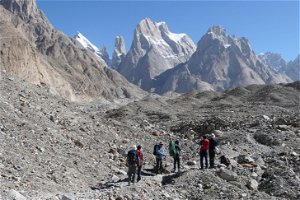
While Kilimanjaro is one of the worlds finest treks, there are some great alternatives available:


Everest Base Camp Trek

Image

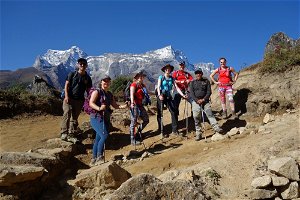
If Kilimanjaro has you hooked on high-altitude adventure, Everest Base Camp is the logical next obsession. This 16–22 day Nepal trek reaches 5,364m — slightly lower than Kilimanjaro's summit — without requiring a single technical skill. LIke Kilimanjaro acclimatisation days are built in, teahouses replace tents, and the route winds through Sherpa villages and ancient monasteries. Standing in Everest's shadow is an experience that simply has no rival.

Tour du Mont Blanc

Image

For an adventure closer to home, the Tour du Mont Blanc delivers world-class mountain adventure on your doorstep. This 170km circuit loops through France, Italy, and Switzerland over 12 days, crossing dramatic alpine passes with Mont Blanc's 4,808m peak as a constant, awe-inspiring backdrop. No altitude sickness, no mandatory guides (we offer self guided packages), no permits. Just exceptional trail, charming mountain refuges, and cold beer at the end of each day. Accessible, breathtaking, unforgettable.

Inca Trail

Image

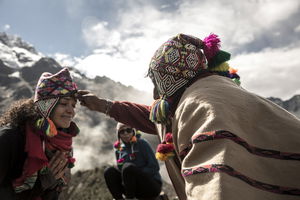
The iconic Inca Trail to Machu Pichu climbs to 4,215m through cloud forest, alpine tundra, and ancient Incan ruins before delivering the most dramatic entrance in trekking: sunrise over Machu Picchu through the Sun Gate. Altitude is still a factor, but permits, porters, and logistics are tightly managed. Adventure, archaeology, and atmosphere in perfect combination.

Footer logos
Your Wishlist
No Wishlist Items

Start your next adventure.

Click the heart icon on the search or holiday pages to save a holiday to your wishlist.

Holiday Search